Por Camilo Celis, Ingeniero Ambiental y Sanitario
1. LO QUE ME REVELARON LOS SUELOS ENFERMOS DE EEUU
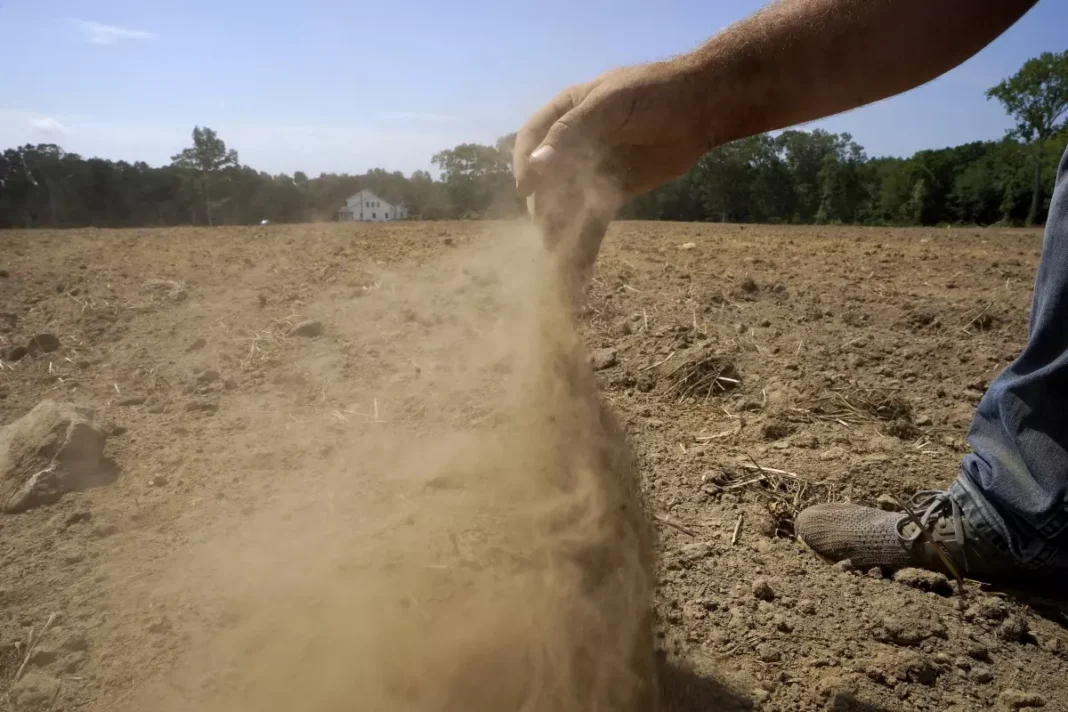
Cuando empecé a estudiar ingeniería ambiental pensaba que la contaminación era un problema de chimeneas y ríos. Años después entendí que uno de los daños más profundos está bajo nuestros pies: suelos enfermos que condicionan la vida de barrios enteros sin que muchas veces nadie lo note.
En Estados Unidos se estima que hay cientos de miles de sitios potencialmente contaminados o brownfields. Muchos son antiguas zonas industriales, estaciones de servicio, bodegas o talleres abandonados que hoy conviven pared con pared con viviendas, escuelas y pequeños negocios. No son manchas aisladas, son cicatrices de un modelo de desarrollo que durante décadas puso la producción por encima de la salud de las personas.
Como ingeniero ambiental y sanitario he trabajado más de catorce años en la intersección entre suelo, salud pública y comunidades. He visto cómo un lote cercado y olvidado se convierte en basurero informal, foco de inseguridad y, sobre todo, en un riesgo silencioso: polvo contaminado que entra por las ventanas, agua subterránea que arrastra sustancias tóxicas, niños jugando donde nadie debería estar cavando.
La experiencia me llevó a una conclusión incómoda: no basta con saber que el suelo está contaminado. El verdadero reto es transformar ese diagnóstico en proyectos que se ejecuten, con tecnología adecuada, participación comunitaria y capacidad local para sostener los cambios. Y ahí es donde, con frecuencia, el sistema se tranca.
En Estados Unidos existen fondos públicos importantes para remediación ambiental, justicia ambiental y regeneración urbana. El problema es que buena parte de esos recursos no se ejecuta completamente porque muchos gobiernos locales no tienen equipos técnicos suficientes para formular, priorizar y gestionar proyectos complejos de suelos contaminados. Es como tener la medicina comprada, pero no el médico que sepa aplicarla.
Desde esa constatación nace BioRevive USA, la iniciativa que propongo liderar desde una planta piloto en Birmingham, Alabama. Mi objetivo es sencillo de enunciar y complejo de ejecutar: diseñar y operar soluciones de biorremediación de suelos contaminados que pongan en el centro a las comunidades vulnerables, combinando ciencia, gestión del riesgo sanitario y empleo verde.
¿Por qué hablo de “biorremediación”? Porque creo en las tecnologías que no sólo arrancan el problema y lo llevan a otro lugar, sino que ayudan a transformar el propio suelo. Hablamos de procesos que utilizan microorganismos, plantas y combinaciones físico-químicas para reducir concentraciones de contaminantes a niveles seguros. No es magia, es ingeniería aplicada con rigor y paciencia.
Pero la tecnología, por sí sola, no cambia realidades. Por eso insisto en el enfoque social. En cada sitio que abordemos, mi intención es trabajar con líderes comunitarios, explicar riesgos en un lenguaje comprensible, escuchar miedos y expectativas, y diseñar soluciones que tengan sentido para quienes viven allí. Un suelo remediado que nadie entiende ni siente como propio corre el riesgo de volver a degradarse.
Cuando miro el mapa de brownfields del país veo algo más que puntos rojos: veo oportunidades. Cada hectárea que limpiamos puede convertirse en parque, en vivienda digna, en infraestructura verde, en espacio para emprendimientos locales. Cada proyecto bien hecho demuestra que es posible corregir parte de la deuda histórica con quienes han cargado con la peor parte de la contaminación.
Escribo en primera persona porque asumo esta tarea como un compromiso vital. No vengo a “experimentar” en territorios ajenos; vengo a poner mi experiencia técnica y mi energía al servicio de comunidades que, demasiado tiempo, han tenido que vivir junto a suelos enfermos. Sanar la tierra, en este contexto, es también una forma de sanar relaciones entre Estado, empresas y ciudadanía.
Si algo me han revelado estos suelos es que el interés nacional no se mide sólo en indicadores macroeconómicos, sino en la posibilidad real de que un niño pueda jugar en su barrio sin respirar tóxicos ni pisar tierras envenenadas. A eso quiero dedicar mi trabajo en Estados Unidos.
2. LA TECNOLOGÍA SILENCIOSA QUE PUEDE CAMBIAR BARRIOS ENTEROS
Cuando hablo de biorremediación frente a públicos no especializados suele aparecer la misma pregunta: “¿Y eso qué es exactamente?”. Me gusta responder con una imagen sencilla: es ayudar al propio suelo a defenderse y curarse, en lugar de limitarse a mover el problema de un lugar a otro.
Durante años, la solución dominante para suelos contaminados fue excavarlos y enviarlos a rellenos especializados. En muchos casos sigue siendo necesario, pero no siempre es la opción más inteligente ni la más justa. Es costosa, genera transportes de material peligroso por las ciudades y, sobre todo, convierte el suelo en un residuo más, en vez de apostar por su recuperación.
La biorremediación propone otra lógica. Aprovecha la capacidad de ciertos microorganismos, plantas y procesos naturales —debidamente controlados— para degradar, inmovilizar o transformar contaminantes. Cuando la combinamos con técnicas físico-químicas adecuadas, podemos reducir de forma significativa la carga tóxica de un sitio, hasta niveles que permiten usos seguros.
En BioRevive USA quiero que esta tecnología deje de ser un concepto de laboratorio para convertirse en herramienta concreta en barrios vulnerables. Desde la planta piloto en Birmingham trabajaremos con suelos reales, contaminados por hidrocarburos, solventes u otros compuestos, probando mezclas de técnicas, monitoreando resultados e integrando los aprendizajes en protocolos claros para gobiernos locales y comunidades.
Esto no significa prometer soluciones milagrosas. Habrá sitios donde la biorremediación no sea suficiente o donde deba combinarse con otras estrategias. La honestidad técnica es parte de la responsabilidad social. Pero sí significa poner sobre la mesa alternativas que reduzcan costos, huella ambiental y tiempos, y que permitan pensar la remediación como un proceso de regeneración, no sólo de “limpieza urgente”.
Hay otro aspecto que suele pasar desapercibido: la innovación tecnológica en remediación también abre oportunidades de investigación aplicada y colaboración académica. La planta piloto que propongo no será sólo una “fábrica” de proyectos; será un laboratorio donde universidades, centros de investigación y estudiantes puedan probar ideas, medir impactos y, sobre todo, generar evidencia útil para la toma de decisiones.
Como ingeniero ambiental formado en América Latina y especializado luego en gestión de materiales peligrosos en Estados Unidos, he aprendido a valorar las tecnologías que se pueden explicar sin necesidad de ocultar nada. La biorremediación es una de ellas. Podemos mostrar el proceso, compartir los datos, publicar los resultados, involucrar a la gente en el monitoreo. Eso ayuda a reducir la desconfianza y a construir legitimidad.
No me interesa una innovación tecnológica desconectada del territorio. Me interesa la innovación que se traduce en menos riesgos de cáncer, menos olores tóxicos, menos polvo contaminado entrando a las casas. La que permite transformar un terreno cercado en un espacio donde se pueda plantar un árbol o construir un centro comunitario.
En un país que invierte miles de millones de dólares en remediación, infraestructuras y justicia ambiental, la pregunta no es sólo cuánto dinero tenemos, sino qué tecnologías estamos priorizando y a quién benefician. Si la innovación no llega a los barrios más golpeados por la contaminación, estamos desperdiciando su potencial.
Por eso defiendo la biorremediación como una tecnología silenciosa pero profundamente política: porque puede redistribuir beneficios, acercar la ciencia a las comunidades y demostrar que es posible reparar sin arrasar. Esa es la innovación que quiero seguir impulsando desde BioRevive USA.
3. EMPLEO VERDE: LIMPIAR EL SUELO TAMBIÉN DIGNIFICA EL TRABAJO
Cuando hablo de suelos contaminados, muchas personas imaginan inmediatamente laboratorios blancos, equipos sofisticados y científicos con bata. Todo eso existe, claro, pero detrás de cada proyecto de remediación hay algo igual de importante: personas que trabajan en campo, que toman muestras, operan equipos, hablan con la comunidad, registran datos, cuidan su propia seguridad y la de otros.
BioRevive USA nace con una convicción firme: la remediación puede y debe ser una fuente de empleo verde digno, con formación, estabilidad y sentido. No hablo sólo de ingenieros y doctores; hablo también de técnicos, auxiliares, trabajadores locales que se reconvierten desde otros sectores hacia tareas vinculadas al cuidado ambiental y la salud pública.
En los primeros cinco años de operación, nuestro plan financiero estima el crecimiento gradual de empleos directos desde un equipo mínimo de tres personas hasta alrededor de diez puestos equivalentes a tiempo completo, sin contar los empleos indirectos asociados a proveedores, transporte, construcción y servicios. No son cifras gigantes, pero sí consistentes con un proyecto que quiere crecer con responsabilidad y sin inflar expectativas.
Más allá del número, me importa el tipo de trabajo que generamos. Un técnico que aprende a muestrear suelos, a interpretar riesgos, a usar adecuadamente los elementos de protección personal, está construyendo una carrera con futuro en una economía que necesitará cada vez más perfiles de este tipo. Lo mismo ocurre con quienes se forman en educación ambiental, participación comunitaria o monitoreo de indicadores de salud.
Una parte clave de nuestra propuesta es formar a personas de las propias comunidades donde intervenimos. En barrios golpeados por el cierre de industrias o el abandono de infraestructuras, la remediación puede convertirse en una nueva fuente de empleo local. No se trata sólo de llegar con un equipo “externo” y marcharnos después de ejecutar la obra; se trata de dejar capacidades instaladas para que sean los propios habitantes quienes puedan seguir participando en proyectos futuros.
He trabajado como docente en gestión ambiental y desarrollo sostenible, guiando a estudiantes y trabajadores en el diseño de proyectos reales. Esa experiencia me enseñó que el conocimiento técnico se multiplica cuando se traduce en oportunidades de trabajo. Un joven que descubre que puede ganarse la vida midiendo la calidad del agua, gestionando residuos o ayudando a regenerar su barrio encuentra una motivación distinta a la de quien ve el tema ambiental como algo lejano.
Para los responsables de políticas públicas y para el sector privado, este enfoque es una oportunidad. No hablamos de “empleos inventados” para decorar estadísticas, sino de trabajos necesarios para ejecutar programas de remediación, justicia ambiental y resiliencia climática que ya cuentan con recursos. Cada vez que un condado decide limpiar un sitio contaminado, se abren posibilidades de contratación. La pregunta es: ¿a quién estamos formando para ocupar esos puestos?
Desde BioRevive USA quiero contribuir a que la respuesta sea: a más personas de los propios territorios, con oficios verdes, con estándares de seguridad y con perspectivas de carrera. No hay transición ecológica justa si sólo cambia la tecnología, pero no cambian las oportunidades laborales de quienes han sufrido los impactos del viejo modelo.
Limpiar suelos no es sólo un acto técnico o sanitario; también es un acto económico y social. Cuando un trabajador vuelve a casa sabiendo que su esfuerzo ayudó a que un terreno peligroso sea más seguro para sus vecinos, el sentido de su trabajo cambia. Y con él, cambia también la forma en que entendemos el desarrollo.
4 CUIDAR EL MEDIO AMBIENTE RESPONSABILIDAD DE TODOS
Cuando llegué a Estados Unidos, lo hice con la convicción de que mi formación como ingeniero ambiental y sanitario podía encontrar aquí un campo de acción especialmente exigente y relevante: la remediación de suelos contaminados en comunidades vulnerables.
A lo largo de mi trayectoria profesional he trabajado en proyectos de infraestructura, manejo de residuos peligrosos, emergencias en salud pública y educación ambiental. Siempre he sentido que mi trabajo tenía sentido cuando podía ver un impacto concreto sobre la vida de las personas: un riesgo evitado, una contaminación controlada, una comunidad mejor informada. En Estados Unidos identifiqué un desafío que reúne todos esos elementos a gran escala.
Este país tiene recursos, marcos normativos y programas avanzados en materia ambiental. Pero también tiene un legado pesado de contaminación industrial y urbana, distribuida de forma desigual. Barrios de bajos ingresos, comunidades racializadas y territorios históricamente marginados siguen conviviendo con suelos que almacenan el costo oculto del desarrollo. Decidí que quería dedicar mis próximos años a trabajar justo ahí.
BioRevive USA es la manera concreta que encontré de hacerlo. No vengo a competir por un puesto en una gran empresa ya instalada; vengo a crear, desde cero, una plataforma que integre tecnología, salud pública y justicia ambiental. Mi proyecto no se limita a prestar servicios; busca construir capacidades, articular actores y demostrar que es posible regenerar territorios sin expulsar a quienes los habitan.
Solicitar un beneficio migratorio basado en interés nacional no es algo que tome a la ligera. Soy plenamente consciente de lo que implica pedirle a un país que me permita quedarme para desarrollar un proyecto propio. Por eso me esfuerzo en presentar una propuesta seria, con un plan de negocio detallado, un análisis riguroso del mercado, proyecciones financieras conservadoras y una clara alineación con las prioridades públicas en materia de remediación, empleo verde y justicia ambiental.
También tengo claro que mi presencia sólo tiene sentido si se traduce en valor para la sociedad que me recibe. En este caso, ese valor se expresa en suelos remediados, riesgos reducidos, empleos creados, capacidades locales fortalecidas y comunidades más empoderadas. El éxito de BioRevive USA no se medirá sólo en balances financieros, sino en hectáreas recuperadas, personas beneficiadas y proyectos que otros gobiernos y organizaciones puedan replicar.
Escribo esta columna en primera persona porque asumo la responsabilidad personal de esta apuesta. No es un ejercicio teórico ni un plan escrito desde la comodidad de un escritorio. Es el compromiso de dedicar mi experiencia, mi tiempo y mi energía a un proyecto que, creo honestamente, puede aportar a la salud, la equidad y la sostenibilidad en Estados Unidos.
Migrar para cuidar la tierra puede sonar contradictorio en un mundo donde las fronteras se endurecen y los discursos se polarizan. Yo lo veo de otro modo: como la posibilidad de que el conocimiento y la experiencia circulen allí donde pueden ser más útiles. Si algo nos ha enseñado la crisis ambiental global es que los problemas que enfrentamos no reconocen pasaportes. En esa lógica, quiero que mi trabajo aquí sea una forma de corresponder la oportunidad que este país me brinda, contribuyendo a sanar un poco los territorios y las historias que hoy siguen marcadas por la contaminación.
Let’s combine science, health risk management,
and green jobs to address soil contamination
By Camilo Celis, Environmental and Sanitary Engineer
1. WHAT THE DISEASED SOILS OF THE U.S. REVEALED TO ME
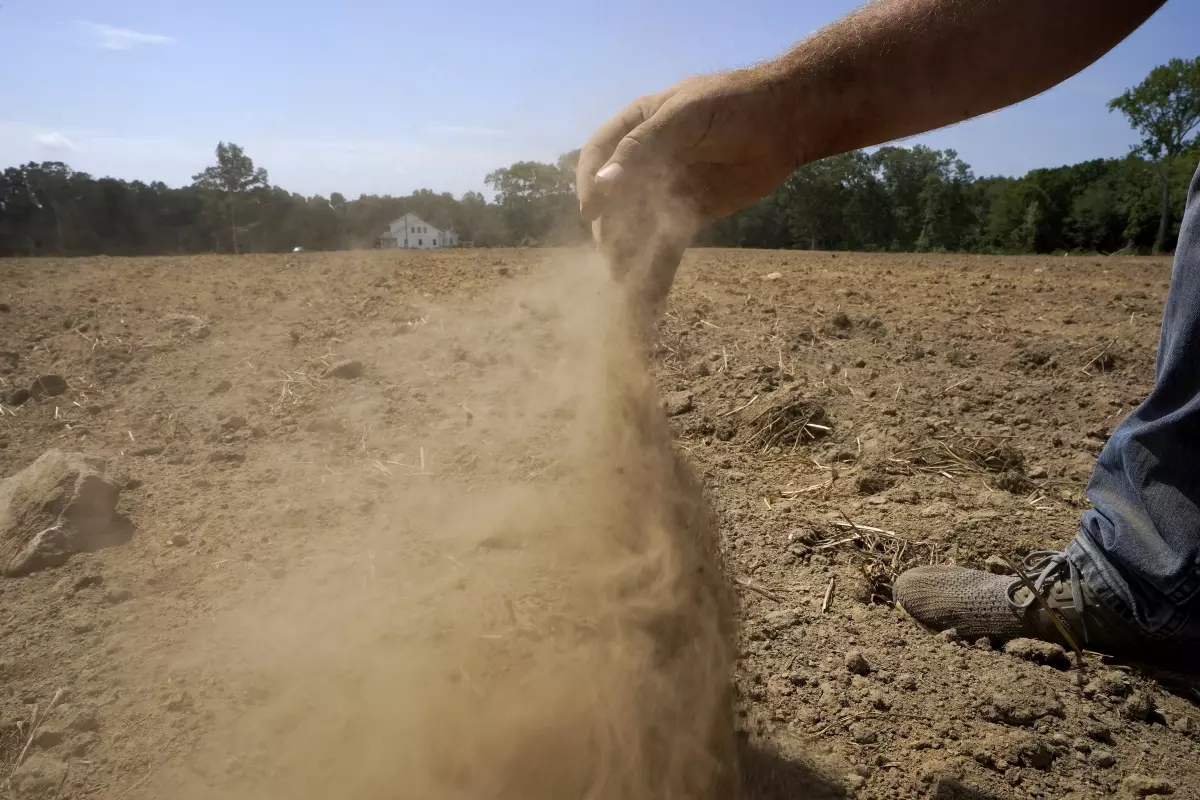
When I started studying environmental engineering I thought that pollution was a problem of chimneys and rivers. Years later I understood that one of the deepest damages is under our feet: diseased soils that condition the life of entire neighborhoods without anyone noticing it.
In the United States, it is estimated that there are hundreds of thousands of potentially contaminated sites or brownfields. Many are former industrial areas, service stations, warehouses or abandoned workshops that today coexist wall to wall with homes, schools and small businesses. They are not isolated stains, they are scars of a development model that for decades put production above people’s health.
As an environmental and sanitary engineer I have worked for more than fourteen years at the intersection between soil, public health and communities. I have seen how a fenced and forgotten lot becomes an informal garbage dump, a focus of insecurity and, above all, a silent risk: contaminated dust that enters through the windows, groundwater that carries toxic substances, children playing where no one should be digging.
The experience led me to an uncomfortable conclusion: it is not enough to know that the soil is contaminated. The real challenge is to transform this diagnosis into projects that are executed, with appropriate technology, community participation and local capacity to sustain the changes. And that’s where the system often gets stuck.
In the United States, there are significant public funds for environmental remediation, environmental justice, and urban regeneration. The problem is that a large part of these resources are not fully executed because many local governments do not have sufficient technical teams to formulate, prioritize and manage complex projects of contaminated soils. It is like having the medicine bought, but not the doctor who knows how to apply it.
From that realization, BioRevive USA was born, the initiative that I propose to lead from a pilot plant in Birmingham, Alabama. My goal is simple to state and complex to execute: to design and operate bioremediation solutions for contaminated soils that put vulnerable communities at the center, combining science, health risk management and green employment.
Why do I speak of “bioremediation”? Because I believe in technologies that not only uproot the problem and take it to another place, but also help transform the soil itself. We are talking about processes that use microorganisms, plants and physical-chemical combinations to reduce concentrations of pollutants to safe levels. It is not magic, it is engineering applied with rigor and patience.
But technology, by itself, does not change realities. That is why I insist on the social approach. At every site we address, my intention is to work with community leaders, explain risks in understandable language, listen to fears and expectations, and design solutions that make sense to those who live there. A remedied soil that no one understands or feels as their own runs the risk of degrading again.
When I look at the brownfield map of the country, I see more than just red dots: I see opportunities. Every hectare we clean can become a park, decent housing, green infrastructure, space for local enterprises. Every project well done shows that it is possible to correct part of the historical debt to those who have borne the brunt of the pollution.
I write in the first person because I take on this task as a vital commitment. I do not come to “experiment” in foreign territories; I come to put my technical expertise and energy at the service of communities that, for too long, have had to live next to diseased soils. Healing the earth, in this context, is also a way of healing relations between the State, companies and citizens.
If these soils have revealed anything to me, it is that the national interest is not measured only in macroeconomic indicators, but in the real possibility that a child can play in his neighborhood without breathing in toxins or stepping on poisoned land. That’s what I want to dedicate my work to in the United States.
2. SILENT TECHNOLOGY THAT CAN CHANGE ENTIRE NEIGHBORHOODS
When I talk about bioremediation in front of non-specialized audiences, the same question usually arises: “And what exactly is that?” I like to respond with a simple image: it is to help the soil itself to defend itself and heal itself, rather than just moving the problem from one place to another.
For years, the dominant solution for contaminated soils was to excavate them and send them to specialized landfills. In many cases it is still necessary, but it is not always the smartest or fairest option. It is expensive, generates transport of hazardous material through cities and, above all, turns the soil into just another waste, instead of betting on its recovery.
Bioremediation proposes another logic. It takes advantage of the ability of certain microorganisms, plants and natural processes – duly controlled – to degrade, immobilize or transform pollutants. When combined with appropriate physico-chemical techniques, we can significantly reduce the toxic load of a site, to levels that allow safe uses.
At BioRevive USA I want this technology to stop being a laboratory concept and become a concrete tool in vulnerable neighborhoods. From the pilot plant in Birmingham we will work with real soils, contaminated by hydrocarbons, solvents or other compounds, testing mixtures of techniques, monitoring results and integrating the learnings into clear protocols for local governments and communities.
This does not mean promising miraculous solutions. There will be places where bioremediation is not sufficient or where it must be combined with other strategies. Technical honesty is part of social responsibility. But it does mean putting on the table alternatives that reduce costs, environmental footprint and time, and that allow remediation to be thought of as a process of regeneration, not just “urgent cleaning”.
There is another aspect that often goes unnoticed: technological innovation in remediation also opens up opportunities for applied research and academic collaboration. The pilot plant I propose will not just be a “factory” of projects; It will be a laboratory where universities, research centers and students can test ideas, measure impacts and, above all, generate useful evidence for decision-making.
As an environmental engineer trained in Latin America and then specialized in hazardous materials management in the United States, I have learned to value technologies that can be explained without the need to hide anything. Bioremediation is one of them. We can show the process, share the data, publish the results, involve people in the monitoring. That helps reduce mistrust and build legitimacy.
I am not interested in technological innovation disconnected from the territory. I’m interested in innovation that translates into less risk of cancer, fewer toxic odors, less contaminated dust entering homes. The one that allows a fenced land to be transformed into a space where a tree can be planted or a community center can be built.
In a country that invests billions of dollars in remediation, infrastructure, and environmental justice, the question is not just how much money we have, but what technologies we are prioritizing and who benefits. If innovation does not reach the neighborhoods hardest hit by pollution, we are wasting its potential.
That’s why I defend bioremediation as a silent but deeply political technology: because it can redistribute benefits, bring science closer to communities, and demonstrate that it is possible to repair without razing. That is the innovation that I want to continue promoting at BioRevive USA.
3. GREEN EMPLOYMENT: CLEANING THE SOIL ALSO DIGNIFIES WORK
When I talk about contaminated soils, many people immediately imagine white laboratories, sophisticated equipment and scientists in coats. All of that exists, of course, but behind every remediation project there is something just as important: people working in the field, taking samples, operating equipment, talking to the community, recording data, taking care of their own safety and that of others.
BioRevive USA was born with a firm conviction: remediation can and should be a source of dignified green employment, with training, stability and meaning. I’m not just talking about engineers and doctors; I am also talking about technicians, auxiliaries, local workers who are reconverted from other sectors to tasks related to environmental care and public health.
In the first five years of operation, our financial plan estimates the gradual growth of direct jobs from a minimum team of three people to around ten full-time equivalent positions, not counting indirect jobs associated with suppliers, transportation, construction and services. These are not giant figures, but they are consistent with a project that wants to grow responsibly and without inflating expectations.
Beyond the number, I care about the type of work we generate. A technician who learns to sample soils, to interpret risks, to properly use personal protection elements, is building a career with a future in an economy that will increasingly need profiles of this type. The same happens with those who are trained in environmental education, community participation or monitoring of health indicators.
A key part of our proposal is to train people from the communities where we intervene. In neighborhoods hit by the closure of industries or the abandonment of infrastructure, remediation can become a new source of local employment. It is not just a matter of arriving with an “external” team and leaving after executing the work; It is about leaving capacities installed so that the inhabitants themselves can continue to participate in future projects.
I have worked as a teacher in environmental management and sustainable development, guiding students and workers in the design of real projects. That experience taught me that technical knowledge multiplies when it translates into job opportunities. A young person who discovers that he can make a living measuring water quality, managing waste or helping to regenerate his neighbourhood finds a different motivation from that of someone who sees the environmental issue as something distant.
For policymakers and the private sector, this approach is an opportunity. We are not talking about “invented jobs” to decorate statistics, but about jobs necessary to execute remediation, environmental justice and climate resilience programs that already have resources. Every time a county decides to clean up a contaminated site, contracting possibilities open up. The question is: who are we training to fill those positions?
From BioRevive USA I want to contribute to the answer being: to more people from their own territories, with green trades, with safety standards and with career prospects. There is no just ecological transition if only technology changes, but the job opportunities of those who have suffered the impacts of the old model do not change.
Cleaning floors is not only a technical or sanitary act; it is also an economic and social act. When a worker returns home knowing that their effort helped make dangerous land safer for their neighbors, the meaning of their work changes. And with it, the way we understand development also changes.
4 CARING FOR THE ENVIRONMENT EVERYONE’S RESPONSIBILITY
When I arrived in the United States, I did so with the conviction that my training as an environmental and sanitary engineer could find here a particularly demanding and relevant field of action: the remediation of contaminated soils in vulnerable communities.
Throughout my professional career I have worked on infrastructure projects, hazardous waste management, public health emergencies and environmental education. I’ve always felt that my work made sense when I could see a concrete impact on people’s lives: a risk avoided, pollution controlled, a better-informed community. In the United States, I identified a challenge that brings all these elements together on a large scale.
This country has resources, regulatory frameworks and advanced programs in environmental matters. But it also has a heavy legacy of industrial and urban pollution, unevenly distributed. Low-income neighborhoods, racialized communities, and historically marginalized territories continue to coexist with soils that store the hidden cost of development. I decided that I wanted to dedicate my next few years to working right there.
BioRevive USA is the concrete way I found to do it. I do not come to compete for a position in a large company already installed; I come to create, from scratch, a platform that integrates technology, public health and environmental justice. My project is not limited to providing services; it seeks to build capacities, articulate actors and demonstrate that it is possible to regenerate territories without expelling those who inhabit them.
Applying for an immigration benefit based on national interest is not something you take lightly. I am fully aware of what it means to ask a country to allow me to stay to develop my own project. That’s why I strive to present a serious proposal, with a detailed business plan, rigorous market analysis, conservative financial projections, and clear alignment with public priorities on remediation, green jobs, and environmental justice.
It is also clear to me that my presence only makes sense if it translates into value for the society that receives me. In this case, that value is expressed in remediated soils, reduced risks, jobs created, strengthened local capacities and more empowered communities. The success of BioRevive USA will not be measured only in financial balances, but in hectares recovered, people benefited and projects that other governments and organizations can replicate.
I write this column in the first person because I take personal responsibility for this bet. It is not a theoretical exercise or a plan written from the comfort of a desk. It is the commitment to dedicate my experience, my time, and my energy to a project that, I honestly believe, can contribute to health, equity, and sustainability in the United States.
Migrating to take care of the land may sound contradictory in a world where borders are hardening and discourses are polarized. I see it in another way: as the possibility that knowledge and experience circulate where they can be most useful. If the global environmental crisis has taught us anything, it is that the problems we face do not recognize passports. In that logic, I want my work here to be a way of reciprocating the opportunity that this country offers me, contributing to healing a little the territories and the histories that today continue to be marked by pollution.